As climate patterns continue to evolve, communities around the world are experiencing more frequent and intense weather events. From record-breaking rainfall and flash flooding to stronger storms and prolonged periods of extreme weather, the challenges facing our infrastructure are growing rapidly. Civil engineers are uniquely positioned to help communities prepare for, withstand, and recover from these challenges through innovative design, strategic planning, and resilient construction practices.
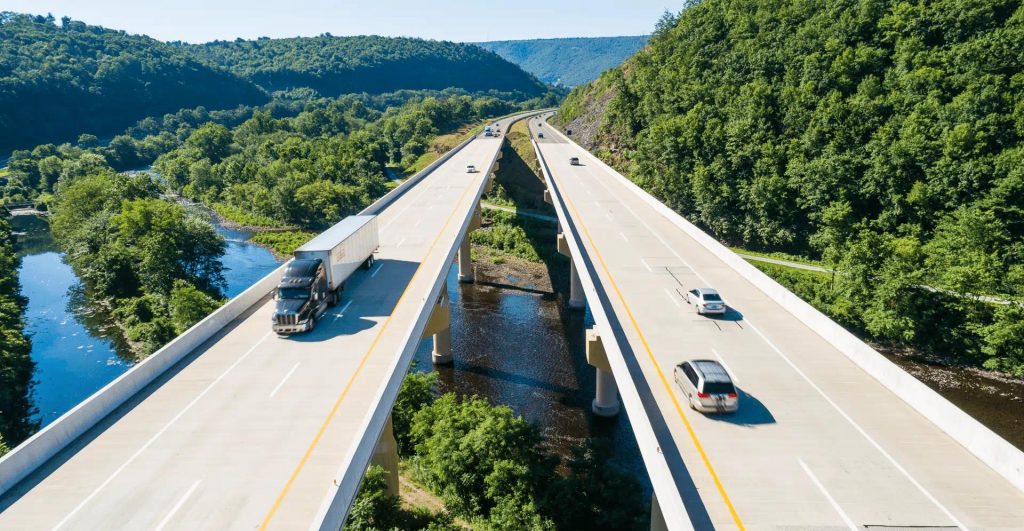
The future of community resilience depends heavily on the decisions engineers make today. Every bridge, roadway, stormwater system, culvert, retaining wall, and building represents an opportunity to reduce risk and protect lives. Through a combination of mitigation, prevention, and response strategies, engineers are helping communities adapt to a changing climate while ensuring infrastructure remains safe, functional, and sustainable for generations to come.
Understanding the Challenge of Extreme Weather
Climate scientists project that many regions will experience more frequent periods of intense rainfall in the coming decades. These extreme precipitation events can overwhelm existing drainage systems, cause rivers and streams to overflow their banks, erode infrastructure foundations, and create dangerous flooding conditions.
Many infrastructure systems currently in service were designed using historical weather data that may no longer accurately represent future conditions. Stormwater networks built decades ago often lack the capacity to manage today’s rainfall volumes, while bridges and culverts may face hydraulic conditions far beyond those anticipated during their original design.
As a result, engineers must increasingly design infrastructure not only for current conditions but also for future climate scenarios. This shift requires a proactive approach that considers resilience, adaptability, and long-term performance.
Mitigation: Reducing the Impact of Extreme Weather
Mitigation focuses on minimizing the potential impacts of natural hazards before they occur. In civil engineering, mitigation strategies involve designing and constructing infrastructure capable of withstanding extreme environmental conditions.
Designing Flood-Resistant Buildings
Modern building design incorporates numerous features aimed at reducing flood-related damage. Engineers may elevate structures above projected flood levels, use flood-resistant materials, and integrate protective barriers that prevent water intrusion.
Critical infrastructure such as hospitals, emergency operations centers, water treatment facilities, and electrical substations often require enhanced resilience measures. By protecting these facilities, communities can maintain essential services during and after severe weather events.
Building codes are also evolving to reflect increased climate risks. Engineers work closely with regulatory agencies to ensure new developments meet updated resilience standards and can safely withstand future environmental conditions.
Strengthening Bridges and Transportation Networks
Bridges serve as vital connections within transportation systems, making their resilience critical during emergencies. Extreme rainfall can lead to scour, erosion, and structural instability around bridge foundations.
To address these challenges, engineers use advanced hydraulic modeling and climate projections to evaluate future flood conditions. Bridge designs may incorporate deeper foundations, increased freeboard, reinforced abutments, and improved erosion protection measures.
Transportation networks must also remain operational during emergencies. Roads, highways, and transit corridors are increasingly designed with redundancy and resilience in mind, helping ensure communities remain connected when disasters occur.
Protecting Watercourses and River Systems
Many communities are built near rivers, streams, and other watercourses that are vulnerable to flooding during extreme rainfall events. Engineers employ a variety of techniques to stabilize riverbanks, reduce erosion, and improve flood management.
Natural channel restoration, bioengineering solutions, and reinforced bank stabilization systems can help protect adjacent infrastructure while supporting environmental sustainability. These approaches often provide both engineering and ecological benefits, improving resilience without compromising natural systems.
Prevention: Planning Infrastructure for Future Conditions
While mitigation focuses on reducing impacts, prevention emphasizes avoiding problems before they develop. Preventative engineering requires forward-thinking planning, comprehensive risk assessments, and infrastructure designed for future climate realities.
Modern Stormwater Management Systems
Stormwater infrastructure represents one of the most important tools available for managing increased rainfall. Traditional systems often focused on rapidly conveying water away from developed areas. Modern approaches emphasize both conveyance and storage.
Engineers now design systems that incorporate detention ponds, retention basins, underground storage facilities, bioswales, permeable pavements, and green infrastructure. These features slow runoff, reduce peak flows, and minimize the risk of flooding downstream.
By capturing and managing stormwater closer to where it falls, communities can significantly reduce strain on drainage networks and improve overall watershed performance.
Green Infrastructure Solutions
Green infrastructure has become an increasingly valuable component of resilient urban design. Unlike conventional gray infrastructure, green infrastructure utilizes natural processes to manage water and improve environmental performance.
Examples include:
- Rain gardens
- Green roofs
- Urban forests
- Wetland restoration
- Vegetated swales
- Permeable pavement systems
These solutions absorb rainfall, reduce runoff volumes, improve water quality, and enhance community aesthetics. They also provide additional benefits such as reducing urban heat island effects and supporting biodiversity.
Civil engineers often integrate green and gray infrastructure approaches to create comprehensive stormwater management strategies capable of handling future climate challenges.
Climate-Informed Infrastructure Design
One of the most significant changes occurring within the engineering profession is the adoption of climate-informed design practices.
Rather than relying solely on historical weather records, engineers increasingly use climate projections and predictive modeling to estimate future conditions. These analyses help determine how rainfall intensities, flood frequencies, and environmental loads may change over the lifespan of infrastructure assets.
This information allows engineers to make informed decisions regarding design capacities, material selection, safety factors, and long-term maintenance requirements.
The result is infrastructure that remains functional and safe even as environmental conditions evolve over time.
Response: Supporting Communities During and After Disasters
Despite the best mitigation and prevention efforts, extreme weather events will still occur. When disasters strike, engineers play a crucial role in emergency response and recovery operations.
Emergency Infrastructure Assessments
Following severe weather events, engineers are often among the first professionals called upon to assess damaged infrastructure.
Bridges, roads, buildings, dams, retaining walls, and utility systems must be evaluated quickly to determine whether they remain safe for public use. These assessments help emergency managers prioritize resources and make informed decisions regarding evacuations, road closures, and recovery efforts.
Rapid engineering evaluations can significantly reduce risks to public safety while supporting efficient disaster response operations.
Restoring Critical Services
Communities depend on functioning infrastructure to maintain public health, safety, and economic stability. Following floods or severe storms, engineers work alongside utility providers, contractors, and government agencies to restore essential services.
This may include:
- Repairing damaged roads and bridges
- Restoring water distribution systems
- Rehabilitating wastewater infrastructure
- Reconstructing drainage networks
- Stabilizing slopes and embankments
- Repairing public facilities
The speed and effectiveness of these efforts can dramatically influence how quickly communities recover.
Building Back Better
Modern disaster recovery increasingly focuses on resilience rather than simply replacing damaged infrastructure.
The concept of “building back better” encourages engineers to improve infrastructure during reconstruction rather than restoring previous vulnerabilities. This may involve increasing flood protection levels, upgrading drainage capacity, strengthening structural systems, or incorporating new technologies that improve performance.
Each recovery project presents an opportunity to enhance community resilience and reduce future risks.
Technology’s Role in Resilient Infrastructure
Emerging technologies are transforming how engineers address climate challenges.
Advanced computer modeling allows engineers to simulate flood events, analyze infrastructure performance, and evaluate multiple design alternatives before construction begins. Geographic Information Systems (GIS), remote sensing technologies, drones, and digital twins provide valuable data for planning and asset management.
Smart infrastructure systems equipped with sensors can monitor water levels, structural performance, and environmental conditions in real time. This information helps agencies identify problems early, improve maintenance practices, and respond more effectively during emergencies.
Artificial intelligence and predictive analytics are also beginning to support infrastructure planning by identifying vulnerabilities and forecasting future risks.
Collaboration Is Essential
Creating resilient communities requires collaboration among engineers, planners, architects, environmental scientists, emergency managers, policymakers, and community stakeholders.
No single profession can address climate challenges alone. Successful resilience strategies depend on integrated approaches that consider technical, environmental, social, and economic factors.
Civil engineers frequently serve as leaders within these multidisciplinary teams, helping translate scientific data into practical infrastructure solutions that protect communities while supporting sustainable growth.
Looking Ahead
The challenges posed by extreme weather are significant, but they also present an opportunity for innovation and leadership within the engineering profession.
As climate risks continue to evolve, engineers will play an increasingly important role in designing the infrastructure that protects our communities. Through mitigation strategies that reduce vulnerability, preventative measures that anticipate future conditions, and response efforts that support recovery, civil engineers are helping build a more resilient future.
The bridges we construct, the stormwater systems we design, and the buildings we create are more than physical structures. They are investments in public safety, economic stability, and community well-being.
Engineering has always been about solving problems. Today, one of the profession’s greatest responsibilities is ensuring that our infrastructure can withstand the challenges of a changing climate. By embracing innovation, resilience, and forward-thinking design, engineers are not only building infrastructure—they are safeguarding communities and shaping a stronger future for generations to come.
No responses yet