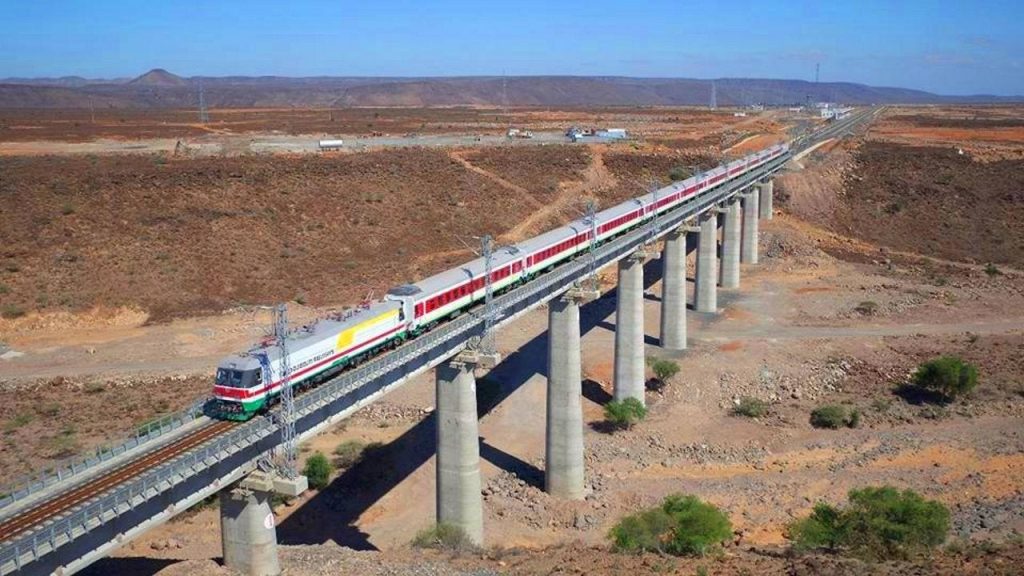
Ethiopia’s railway development strategy builds on the success of its flagship Addis Ababa–Djibouti electrified railway. As part of the national expansion, the Addis Ababa–Moyale and Debre Tabor corridors are envisioned to unlock internal connectivity and strengthen regional trade. These rail lines aim to link major urban centers, industrial hubs, agricultural areas, and neighboring countries, forming key components of a modern standard-gauge network.
Strategic Vision and Network Planning
The national railway plan anticipates thousands of kilometers of new rail alignments, with the southern corridor connecting Addis Ababa to Moyale on the Kenyan border and northern links passing near Debre Tabor to integrate the Amhara region. These corridors are designed to improve freight and passenger movement, facilitate regional integration, and stimulate economic growth across multiple sectors.
Engineering and Civil Infrastructure Considerations
Constructing new heavy rail corridors in Ethiopia involves complex civil engineering challenges:
- Topographical alignment: Ethiopia’s varied terrain, from highlands to rift valleys, requires careful alignment to optimize gradients, horizontal curvature, and train performance.
- Earthworks and structures: Extensive cuttings, embankments, bridges, and potentially tunnels are needed to traverse escarpments, valleys, and rivers. Proper soil stabilization, erosion control, and drainage are essential.
- Foundations and track bed: Subgrade preparation, ballast design, and sleeper installation are engineered to support heavy axle loads and cope with seasonal moisture variations.
- Electrification and systems integration: Planned lines use high-voltage electrification with overhead catenary systems, substations, and modern signaling for safety, efficiency, and future scalability.
Construction Challenges
Building these corridors requires careful planning due to:
- Project phasing: Large-scale rail projects are implemented in segments to manage costs, construction risks, and logistics.
- Integration of technologies: Coordinating civil works, electrification, signaling, and communications systems is technically demanding.
- Environmental and community impacts: Land acquisition, protection of ecosystems, and minimizing disruption to communities are key considerations.
- Capacity and expertise: Scaling up domestic engineering and construction capabilities is essential for sustainable project delivery.
Socio-Economic Potential
If completed, the Addis Ababa–Moyale Railway would serve as a critical southern transport artery connecting Ethiopia with Kenya, facilitating trade, tourism, and regional integration. The northern corridors near Debre Tabor would strengthen internal connectivity, link production areas to logistics networks, and help distribute economic growth across the country. These lines have the potential to significantly reduce transport costs, improve mobility, and catalyze development along their corridors.
Conclusion
The Addis Ababa–Moyale and Debre Tabor rail corridors represent Ethiopia’s vision for a modern, integrated, and resilient railway network. While not yet fully operational, these projects exemplify the engineering, construction, and planning expertise required to transform regional connectivity. Their eventual completion will play a transformative role in Ethiopia’s economic and social development, shaping the future of transportation and regional trade.
No responses yet